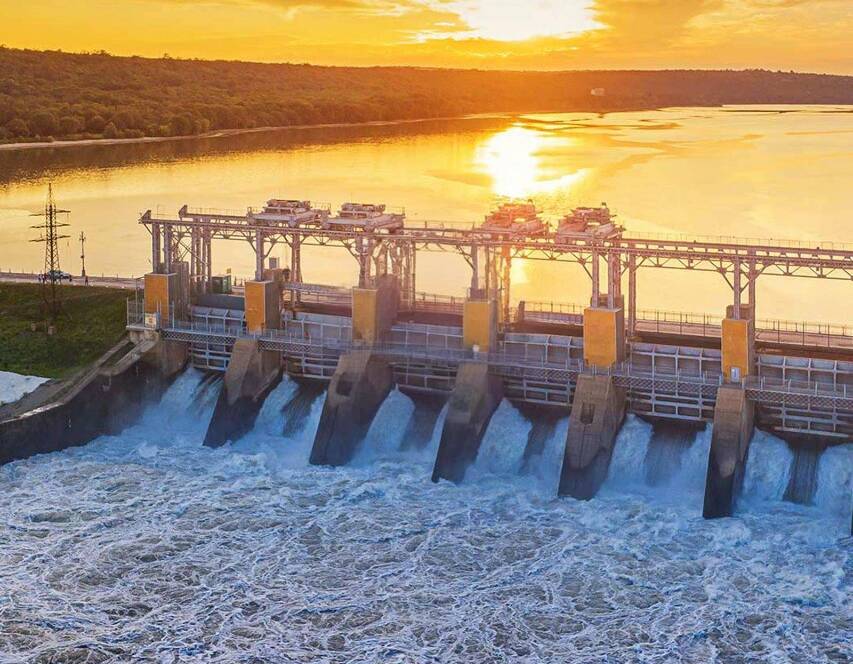
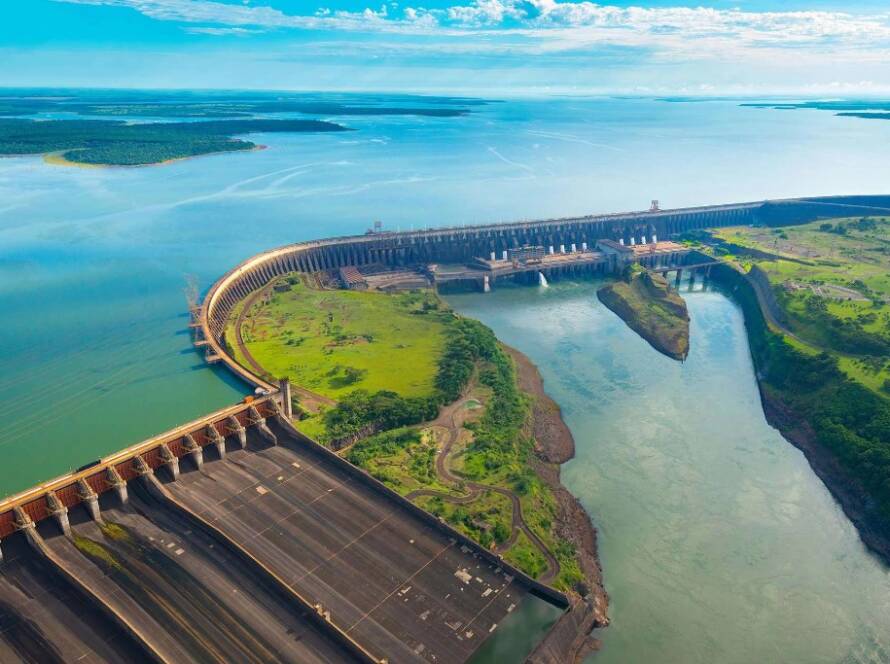
QHydroelectric power is one of the most reliable and widely used sources of renewable energy, offering immense potential for sustainable energy production and environmental benefits. Here are some key facts that highlight its potential:
1. Major Contributor to Global Electricity
- Hydropower accounts for nearly 16% of the world’s electricity generation and over 60% of renewable energy production.
- It is the largest renewable energy source globally, ahead of solar and wind power.
2. High Energy Efficiency
- Hydropower plants have an energy efficiency rate of up to 90%, making them the most efficient way to generate electricity compared to other energy sources.
3. Scalability
- Hydropower projects range from small-scale systems (used for single homes or communities) to massive projects like the Three Gorges Dam in China, which is the largest hydropower plant in the world with a capacity of 22,500 MW.
4. Vast Untapped Potential
- The global potential for hydroelectric power is estimated at over 15,000 TWh per year, with significant untapped capacity in Asia, Africa, and South America.
- In India, only about 30% of the total hydropower potential has been utilized, leaving ample room for development.
5. Energy Storage Through Pumped Hydropower
- Pumped-storage hydropower acts as a giant battery, storing excess energy from other renewables like solar and wind for use during peak demand.
- It accounts for over 90% of the world’s energy storage capacity, ensuring grid stability.
6. Long Lifespan
- Hydropower plants have a lifespan of 50-100 years, providing long-term energy solutions with minimal recurring costs.
7. Low Operational Costs
- Once established, hydropower plants have low operational and maintenance costs, making them highly cost-effective over their lifetime.
8. Environmental Benefits
- Hydropower produces zero direct emissions, helping to combat climate change.
- By reducing dependence on fossil fuels, it helps conserve finite resources and reduce pollution.
9. Promotes Water Management
- Hydropower reservoirs aid in water storage, irrigation, and flood control, benefiting agriculture and local communities.
10. Integration with Renewable Energy
- Hydropower is often used to complement intermittent energy sources like solar and wind.
- Its flexibility allows for rapid adjustments in electricity output to balance supply and demand.
11. Job Creation and Economic Growth
- Hydropower projects create jobs during construction, operation, and maintenance phases.
- Large-scale projects contribute significantly to local and national economies by providing energy security and boosting infrastructure development.
12. Potential for Modernization
- Many existing hydropower plants can be upgraded with modern technologies to increase efficiency and reduce environmental impacts without building new dams.
Conclusion
Hydroelectric power has enormous potential to address global energy needs sustainably. With advancements in technology and a commitment to environmental preservation, hydropower can continue to play a pivotal role in transitioning to a greener and more sustainable future.
QSolar is dedicated to exploring and harnessing this potential through innovative, eco-friendly hydropower solutions. Join us in shaping the future of renewable energy!