QEnvironmental Effects of Hydropower
Hydropower is a clean and renewable energy source, but its development and operation can have both positive and negative effects on the environment. Understanding these impacts is essential for designing sustainable hydropower systems.
Positive Environmental Effects
1. Reduction in Greenhouse Gas Emissions
- Hydropower generates electricity without burning fossil fuels, leading to zero direct carbon emissions.
- It significantly reduces reliance on coal and gas, contributing to global efforts to combat climate change.
2. Support for Renewable Energy Integration
- Hydropower systems, especially pumped-storage, stabilize power grids by balancing fluctuations from solar and wind energy, enabling a cleaner energy mix.
3. Water Management Benefits
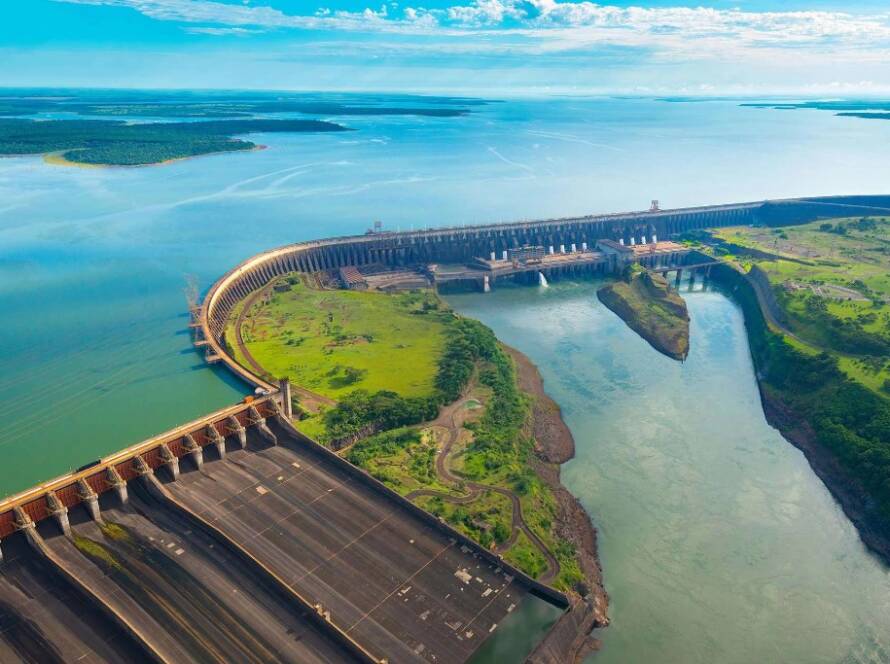
- Reservoirs created for hydropower help with flood control, irrigation, and drinking water supply, benefiting both humans and ecosystems.
4. Creation of Habitats
- Reservoirs can support aquatic and terrestrial ecosystems by providing new habitats for various species, including birds and fish.
Negative Environmental Effects
1. Habitat Disruption
- Large dams can alter natural river ecosystems, affecting fish migration, spawning patterns, and the biodiversity of aquatic life.
- Changes in water flow can impact downstream ecosystems reliant on steady water levels.
2. Deforestation and Land Use Changes
- Building reservoirs often requires clearing forests and flooding large areas, displacing wildlife and altering local landscapes.
3. Methane Emissions from Reservoirs
- Organic material submerged in reservoirs can decompose anaerobically, releasing methane, a potent greenhouse gas.
- This is particularly common in tropical regions with dense vegetation.
4. Water Quality Issues
- Stagnant water in reservoirs may lead to increased sedimentation, nutrient buildup, and lower oxygen levels, affecting aquatic life.
- Altered temperatures and flow patterns can stress or eliminate sensitive species.
5. Impact on Local Communities
- Hydropower projects often require relocation of communities, disrupting livelihoods and cultural ties to the land.
6. Disruption of Natural Sediment Flow
- Dams trap sediment that would naturally replenish downstream ecosystems, impacting fertile floodplains and coastal areas.
Mitigating the Environmental Impacts
At QSolar, we prioritize sustainable practices in hydropower development to minimize environmental effects:
- Eco-Friendly Designs: Incorporating fish ladders and bypass systems to maintain natural migration routes.
- Biodiversity Support: Conducting thorough ecological studies to protect sensitive species and habitats.
- Sediment Management: Designing systems to allow sediment flow downstream.
- Community Engagement: Collaborating with local communities to ensure fair resettlement and shared benefits.
- Reservoir Optimization: Reducing methane emissions by clearing vegetation before flooding and promoting oxygenation of water.
Conclusion
Hydropower has significant environmental benefits but also poses challenges that must be carefully managed. By adopting innovative and eco-friendly solutions, QSolar ensures that hydropower systems are not only efficient but also harmonious with the environment, promoting sustainability for future generations.
Partner with QSolar for hydropower solutions that balance energy needs with environmental responsibility!